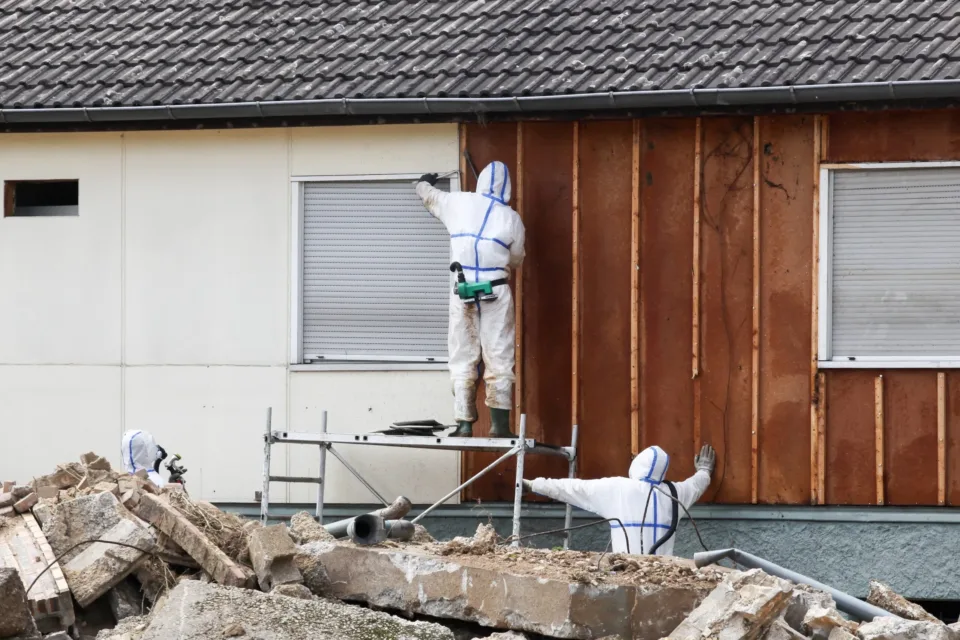
Asbestos Mitigation in Denver, CO
Not all asbestos has to be removed. When asbestos containing material is intact and undisturbed, the safest and most practical solution is often to manage the risk in place rather than disturb it. Asbestos mitigation is the work of controlling and reducing the risk of fiber release, including sealing or enclosing asbestos so it cannot become airborne. Critical Restoration provides professional asbestos mitigation across Colorado, managing asbestos safely and in compliance with regulations.
Because disturbing asbestos is what makes it dangerous, managing intact material in place can be safer than removal. Our certified professionals assess each situation and recommend the approach that best protects your household.
Frequently Asked Questions
-
Is it ever safe to leave asbestos in place?
Yes. Asbestos containing material that is intact, in good condition, and not going to be disturbed can often be safely managed in place through encapsulation or enclosure. In many cases this is safer than removal, because disturbing asbestos is what releases hazardous fibers.
-
What is the difference between encapsulation and enclosure?
Encapsulation treats the material with a sealant that binds the fibers so they cannot become airborne, while enclosure builds an airtight barrier around the material to isolate it. Both keep asbestos safely managed without the disturbance of removal.
-
When should asbestos be removed instead of managed in place?
Removal is typically the right choice when the material is damaged, deteriorating, or in the way of planned renovation or demolition. If it cannot be reliably sealed or protected from disturbance, removal by certified professionals is the safer path.
-
Does mitigation require monitoring afterward?
Yes. Managed asbestos should be monitored over time to make sure it remains intact and undisturbed. If its condition changes, further action such as removal may be needed. We provide guidance on long term management.
-
Do you also handle removal if that turns out to be necessary?
Yes. We provide complete service, so if assessment shows that removal is the safer option, our certified professionals can perform the abatement and restore the area afterward.
-
Other Locations for Residential Asbestos Mitigation
- Asbestos Mitigation in Arvada, CO
- Asbestos Mitigation in Aurora, CO
- Asbestos Mitigation in Boulder, CO
- Asbestos Mitigation in Brighton, CO
- Asbestos Mitigation in Castle Rock, CO
- Asbestos Mitigation in Estes Park, CO
- Asbestos Mitigation in Evergreen, CO
- Asbestos Mitigation in Fort Collins, CO
- Asbestos Mitigation in Golden, CO
- Asbestos Mitigation in Greeley, CO
- Asbestos Mitigation in Highlands Ranch, CO
- Asbestos Mitigation in Lakewood, CO
- Asbestos Mitigation in Littleton, CO
- Asbestos Mitigation in Longmont, CO
- Asbestos Mitigation in Loveland, CO
- Asbestos Mitigation in Parker, CO
- Asbestos Mitigation in Thornton, CO
- Asbestos Mitigation in Westminster, CO