Asbestos Testing & Inspection in Denver, CO
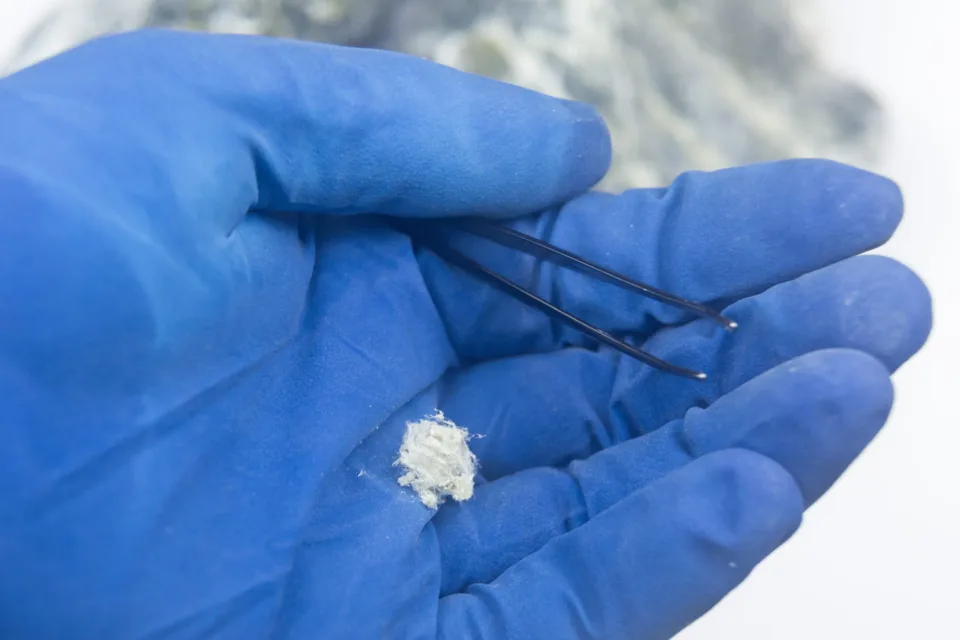
You cannot tell whether a material contains asbestos just by looking at it, and disturbing asbestos without knowing it is present can release dangerous fibers into the air. That is why testing and inspection are the essential first step before any renovation, demolition, or cleanup in an older building. Critical Restoration provides professional asbestos testing and inspection across Colorado, safely identifying asbestos containing materials so you know what you are dealing with before anything is disturbed.
Asbestos is a regulated hazardous material, and testing must be done carefully by trained professionals using accredited laboratory analysis. We are available to schedule promptly, including when asbestos is a concern during a fire or water damage loss.
Frequently Asked Questions
-
How do I know if my home has asbestos?
You cannot tell by looking, because asbestos is not visible once it is part of a building material. The only reliable way to know is professional testing, in which a sample is safely collected and analyzed by an accredited laboratory. This is especially important in buildings built before the 1980s.
-
Do I need testing before renovating an older home?
Yes, this is strongly recommended and often required. Renovation and demolition disturb materials, and if they contain asbestos, that releases hazardous fibers. Testing first tells you whether asbestos is present so the work can be done safely and in compliance with regulations.
-
Is it safe to collect a sample myself?
No. Collecting a sample improperly can release fibers into the air. Sampling should be done by trained professionals who use proper methods to avoid disturbance, and the sample should be analyzed by an accredited laboratory.
-
What should I do if I think a material has asbestos?
Leave it alone. Do not cut, sand, drill, scrape, or remove it, and do not clean up debris from it. Have it tested by professionals, and let certified experts handle anything that needs to be removed or repaired.
-
Do you handle removal if asbestos is found?
Yes. We provide complete service from testing through certified asbestos abatement and restoration, so the same team can safely resolve any asbestos identified during the inspection.
-
Other Locations for Residential Asbestos Testing & Inspection
- Asbestos Testing & Inspection in Arvada, CO
- Asbestos Testing & Inspection in Aurora, CO
- Asbestos Testing & Inspection in Boulder, CO
- Asbestos Testing & Inspection in Brighton, CO
- Asbestos Testing & Inspection in Castle Rock, CO
- Asbestos Testing & Inspection in Estes Park, CO
- Asbestos Testing & Inspection in Evergreen, CO
- Asbestos Testing & Inspection in Fort Collins, CO
- Asbestos Testing & Inspection in Golden, CO
- Asbestos Testing & Inspection in Greeley, CO
- Asbestos Testing & Inspection in Highlands Ranch, CO
- Asbestos Testing & Inspection in Lakewood, CO
- Asbestos Testing & Inspection in Littleton, CO
- Asbestos Testing & Inspection in Longmont, CO
- Asbestos Testing & Inspection in Loveland, CO
- Asbestos Testing & Inspection in Parker, CO
- Asbestos Testing & Inspection in Thornton, CO
- Asbestos Testing & Inspection in Westminster, CO