Asbestos Removal in Denver, CO
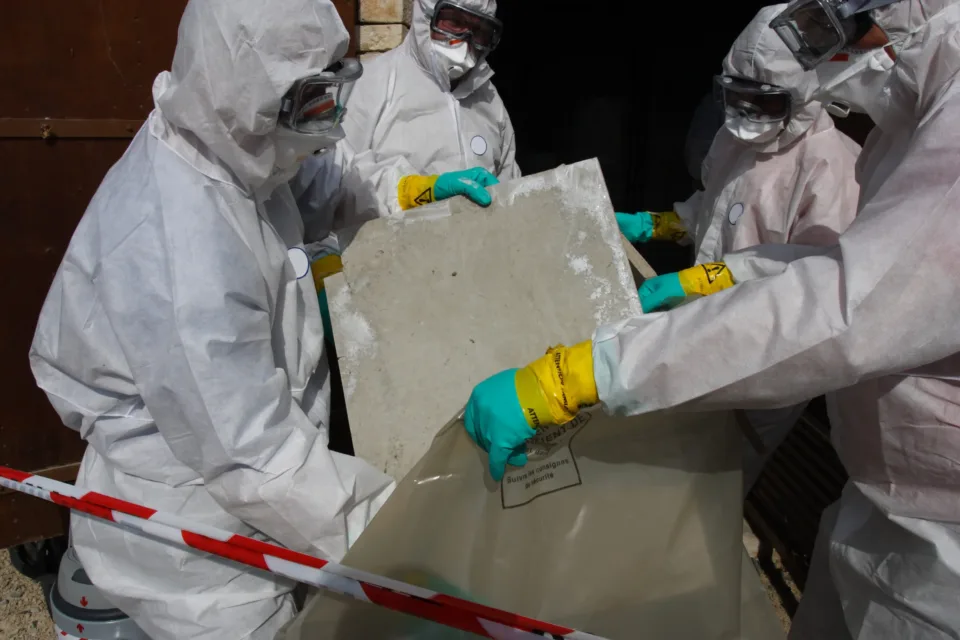
Removing asbestos is not an ordinary demolition job. Asbestos containing materials release hazardous fibers when disturbed, so removal must be performed by certified professionals under strict containment, following the regulations that govern this work. Critical Restoration provides professional asbestos removal across Colorado, safely taking out asbestos containing materials and disposing of them properly, so your property is made safe.
Asbestos is a regulated hazardous material, and its removal is closely governed by federal and state rules. We follow required procedures for containment, handling, and licensed disposal from start to finish.
Frequently Asked Questions
-
Can I remove asbestos myself?
It is strongly discouraged and, above certain thresholds, not legally permitted. Disturbing asbestos releases hazardous fibers, and safe removal requires containment, specialized methods, protective equipment, and licensed disposal. This work should be left to certified professionals.
-
Does all asbestos need to be removed?
Not necessarily. Asbestos containing material that is intact and undisturbed can sometimes be safely managed in place through encapsulation or enclosure. Removal is typically needed when the material is damaged, deteriorating, or in the way of renovation. Testing and assessment determine the right approach.
-
How do you keep asbestos fibers from spreading during removal?
We seal off the work area, use negative air pressure and HEPA filtration, apply wetting methods that keep materials from releasing fibers, and follow decontamination procedures, so fibers are contained throughout the removal.
-
Where does the asbestos go after removal?
Removed asbestos is sealed, labeled, and transported to a licensed disposal facility as required by regulation. Proper disposal is a legal requirement and an essential part of safe removal.
-
Do you repair the area after removal?
Yes. We provide complete service, so the same team that safely removes asbestos can also repair and restore the affected area, returning your home to a finished condition.
-
Other Locations for Residential Asbestos Removal
- Asbestos Removal in Arvada, CO
- Asbestos Removal in Aurora, CO
- Asbestos Removal in Boulder, CO
- Asbestos Removal in Brighton, CO
- Asbestos Removal in Castle Rock, CO
- Asbestos Removal in Estes Park, CO
- Asbestos Removal in Evergreen, CO
- Asbestos Removal in Fort Collins, CO
- Asbestos Removal in Golden, CO
- Asbestos Removal in Greeley, CO
- Asbestos Removal in Highlands Ranch, CO
- Asbestos Removal in Lakewood, CO
- Asbestos Removal in Littleton, CO
- Asbestos Removal in Longmont, CO
- Asbestos Removal in Loveland, CO
- Asbestos Removal in Parker, CO
- Asbestos Removal in Thornton, CO
- Asbestos Removal in Westminster, CO