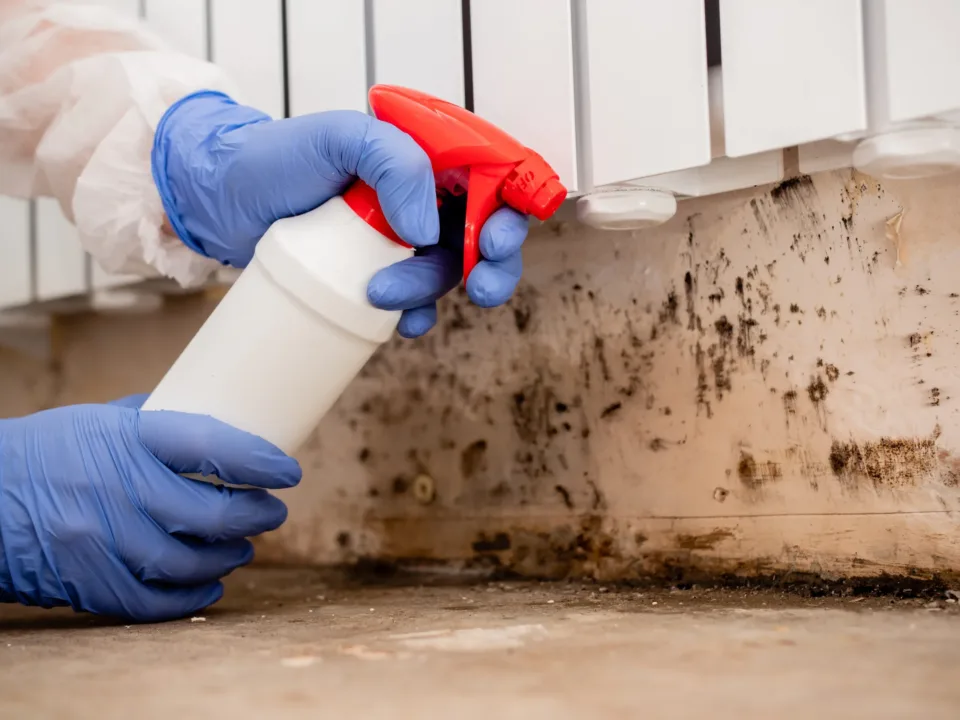
Mold Mitigation in Denver, CO
Mold mitigation is about control, stopping mold from spreading and cutting off the moisture that allows it to grow in the first place. Where removal takes existing mold out, mitigation focuses on limiting the problem and preventing it from getting worse or coming back. Critical Restoration provides professional mold mitigation across Colorado, containing active mold and correcting the conditions that feed it.
Our trained crews address both the mold and its cause, and we are available to schedule promptly, including for mold that appears alongside a water damage emergency.
Frequently Asked Questions
-
What is the difference between mold mitigation and mold removal?
Removal is the physical taking out of mold and contaminated materials, while mitigation focuses on controlling the problem, containing the spread, and correcting the moisture source that feeds the mold. They often work together as part of resolving a mold issue.
-
Why does mold keep coming back?
Because the moisture source that feeds it was never corrected. Mold needs moisture to grow, so recurring mold almost always points to an ongoing leak, condensation, poor ventilation, or dampness that must be addressed for lasting results.
-
Can mitigation stop mold from spreading to the rest of my home?
Yes, that is a central goal. By containing the affected area, controlling moisture, and treating surfaces, mitigation limits the spread of spores and keeps a localized problem from becoming a whole home problem.
-
How do you find the moisture source?
We use moisture meters and thermal imaging along with a careful inspection to locate hidden dampness and trace it to its source, whether a leak, condensation, or lingering water damage.
-
Is mitigation enough, or do I also need remediation?
It depends on the extent of the mold. For a contained, early problem, mitigation and moisture correction may be sufficient, while more established or widespread mold typically calls for full remediation. Our assessment will tell you which your situation needs.
-
Other Locations for Residential Mold Mitigation
- Mold Mitigation in Arvada, CO
- Mold Mitigation in Aurora, CO
- Mold Mitigation in Boulder, CO
- Mold Mitigation in Brighton, CO
- Mold Mitigation in Castle Rock, CO
- Mold Mitigation in Estes Park, CO
- Mold Mitigation in Evergreen, CO
- Mold Mitigation in Fort Collins, CO
- Mold Mitigation in Golden, CO
- Mold Mitigation in Greeley, CO
- Mold Mitigation in Highlands Ranch, CO
- Mold Mitigation in Lakewood, CO
- Mold Mitigation in Littleton, CO
- Mold Mitigation in Longmont, CO
- Mold Mitigation in Loveland, CO
- Mold Mitigation in Parker, CO
- Mold Mitigation in Thornton, CO
- Mold Mitigation in Westminster, CO