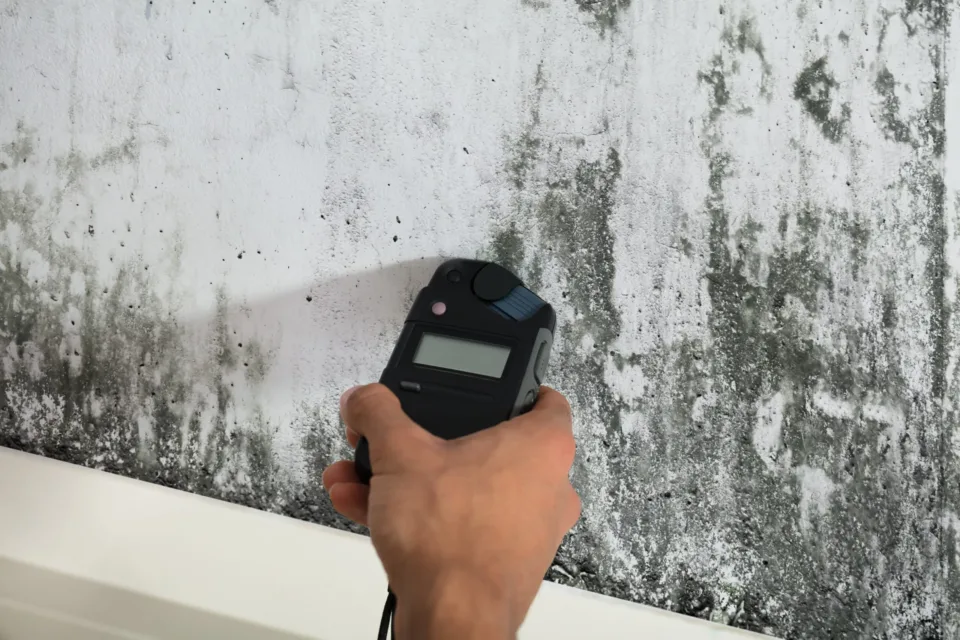
Mold Testing & Inspection in Denver, CO
Before mold can be dealt with, you need to know exactly what you are dealing with, where it is, how far it has spread, and what is feeding it. Critical Restoration provides professional mold testing and inspection across Colorado, giving you a clear, objective picture of any mold problem in your home so it can be addressed correctly the first time.
Our trained inspectors combine a thorough visual inspection with moisture detection and laboratory analysis, and we are available to schedule promptly, including 24 hours a day for mold discovered alongside a water emergency.
Frequently Asked Questions
-
How do I know if I need a mold inspection?
Common signs include a persistent musty odor, visible growth, a history of water damage or leaks, and unexplained allergy or respiratory symptoms. An inspection is also wise when buying or selling a home, or to verify that past mold work was effective.
-
What is the difference between a mold inspection and mold testing?
An inspection is the visual and moisture assessment that locates mold and its source, while testing uses air and surface samples analyzed in a lab to identify the type and concentration. Together they give a complete picture that guides remediation.
-
Can mold really grow in Colorado’s dry climate?
Yes. Mold needs a moisture source rather than humid air, and hidden leaks, basement dampness, poor bathroom ventilation, and water damage all supply it. Colorado homes commonly develop mold in these hidden, damp areas.
-
Is a small amount of visible mold worth inspecting?
Often yes, because visible mold can indicate a larger hidden problem and an underlying moisture source. An inspection confirms the true extent and the cause so the issue can be resolved rather than recurring.
-
Do you handle the remediation if mold is found?
Yes. We provide complete service from inspection through remediation and restoration, so the same team that identifies the problem can resolve it, with no gaps between phases.
-
Other Locations for Residential Mold Testing & Inspection
- Mold Testing & Inspection in Arvada, CO
- Mold Testing & Inspection in Aurora, CO
- Mold Testing & Inspection in Boulder, CO
- Mold Testing & Inspection in Brighton, CO
- Mold Testing & Inspection in Castle Rock, CO
- Mold Testing & Inspection in Estes Park, CO
- Mold Testing & Inspection in Evergreen, CO
- Mold Testing & Inspection in Fort Collins, CO
- Mold Testing & Inspection in Golden, CO
- Mold Testing & Inspection in Greeley, CO
- Mold Testing & Inspection in Highlands Ranch, CO
- Mold Testing & Inspection in Lakewood, CO
- Mold Testing & Inspection in Littleton, CO
- Mold Testing & Inspection in Longmont, CO
- Mold Testing & Inspection in Loveland, CO
- Mold Testing & Inspection in Parker, CO
- Mold Testing & Inspection in Thornton, CO
- Mold Testing & Inspection in Westminster, CO