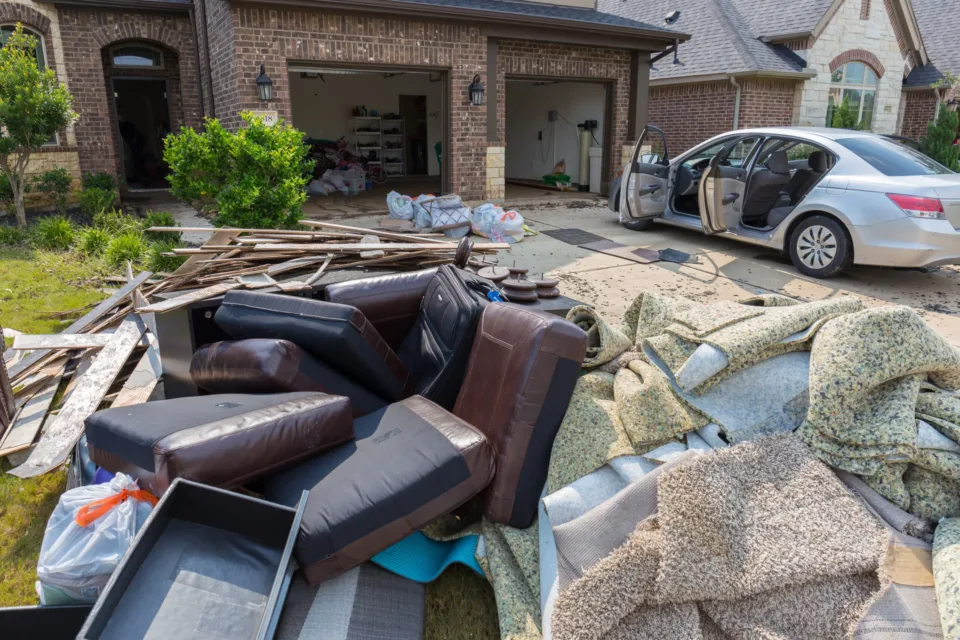
Water & Flood Cleanup, Removal & Extraction in Denver, CO
When your home floods, removing the water is only the beginning. The water you can see is a fraction of what has soaked into carpet pad, subfloors, wall cavities, and insulation. Critical Restoration provides complete water and flood cleanup, removal, and extraction that reaches the moisture you cannot see, so your home dries fully and does not develop mold or hidden structural damage down the road.
Our IICRC certified crews serve homeowners across Colorado with fast, thorough extraction backed by professional grade equipment and moisture verification. We are available 24 hours a day and can be on site in 90 minutes or less.
Frequently Asked Questions
-
What is the difference between water removal and water extraction?
Water removal generally refers to clearing away standing water, while extraction goes further to pull moisture out of carpet, pad, subfloors, and building materials. Complete extraction is what prevents hidden moisture from causing mold and structural damage after the visible water is gone.
-
Can you save my carpet and flooring?
It depends on the water category and how long the materials have been wet. Clean water caught early often allows carpet and pad to be dried and saved, while contaminated water or prolonged saturation usually requires removal and replacement. We assess each material and recommend the safest, most cost effective path.
-
How do you know when my home is fully dry?
We take moisture readings with meters and thermal imaging throughout the drying period and compare them to dry standard readings from unaffected areas. We only remove equipment and consider the job complete once those readings confirm the structure is dry.
-
Do I need extraction if the water already looks gone?
Often yes. Water that has soaked into subfloors, wall cavities, and insulation is not visible on the surface but continues to cause damage. Professional moisture mapping is the only reliable way to know whether hidden moisture remains.
-
How quickly should extraction begin after a flood?
As soon as possible. Mold can begin to develop within 48 hours, so the sooner extraction and drying start, the more of your home and belongings can be saved. We are available 24 hours a day for exactly this reason.
-
Other Locations for Residential Water & Flood Cleanup, Removal & Extraction
- Water & Flood Cleanup, Removal & Extraction in Arvada, CO
- Water & Flood Cleanup, Removal & Extraction in Aurora, CO
- Water & Flood Cleanup, Removal & Extraction in Boulder, CO
- Water & Flood Cleanup, Removal & Extraction in Brighton, CO
- Water & Flood Cleanup, Removal & Extraction in Castle Rock, CO
- Water & Flood Cleanup, Removal & Extraction in Estes Park, CO
- Water & Flood Cleanup, Removal & Extraction in Evergreen, CO
- Water & Flood Cleanup, Removal & Extraction in Fort Collins, CO
- Water & Flood Cleanup, Removal & Extraction in Golden, CO
- Water & Flood Cleanup, Removal & Extraction in Greeley, CO
- Water & Flood Cleanup, Removal & Extraction in Highlands Ranch, CO
- Water & Flood Cleanup, Removal & Extraction in Lakewood, CO
- Water & Flood Cleanup, Removal & Extraction in Littleton, CO
- Water & Flood Cleanup, Removal & Extraction in Longmont, CO
- Water & Flood Cleanup, Removal & Extraction in Loveland, CO
- Water & Flood Cleanup, Removal & Extraction in Parker, CO
- Water & Flood Cleanup, Removal & Extraction in Thornton, CO
- Water & Flood Cleanup, Removal & Extraction in Westminster, CO